Ball Levitation System
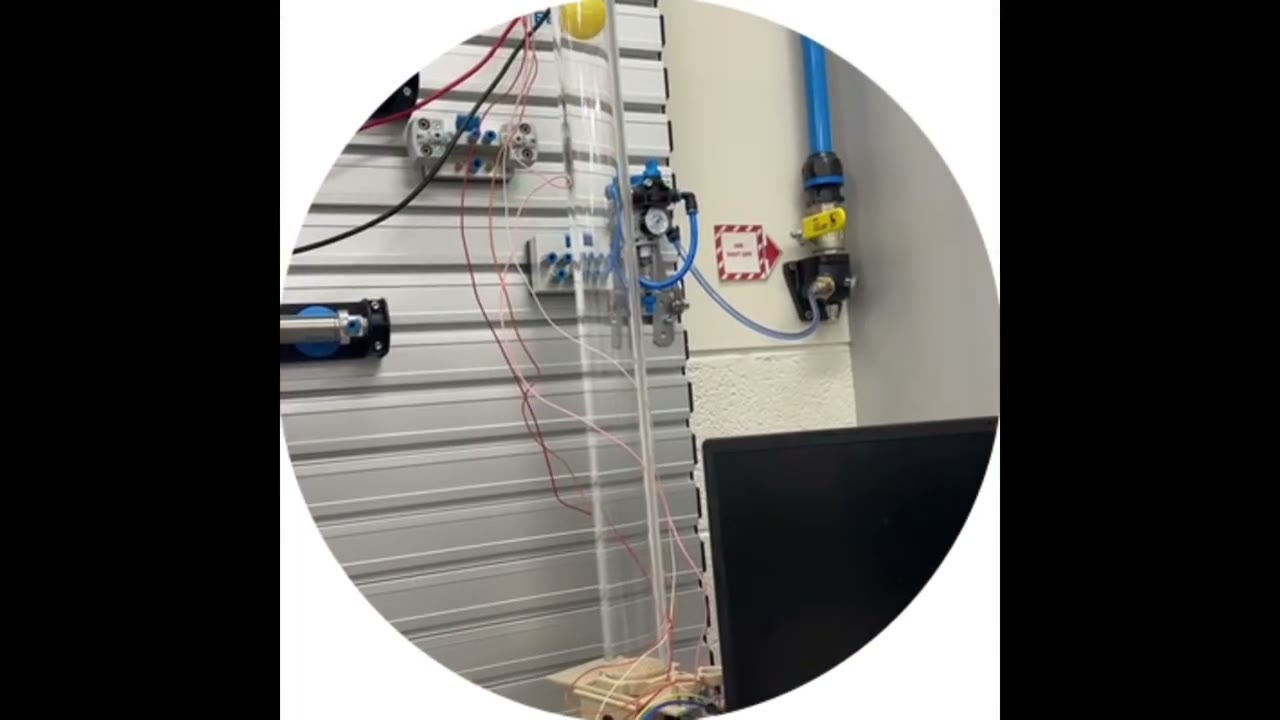
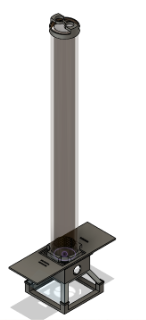
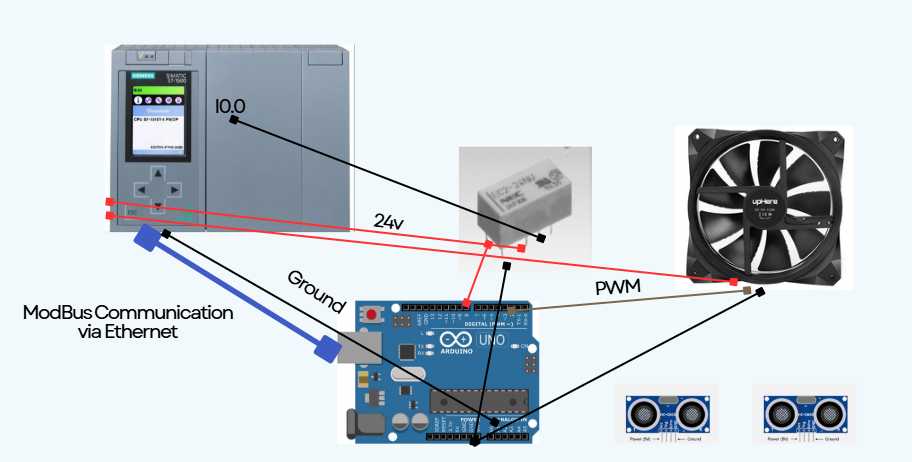
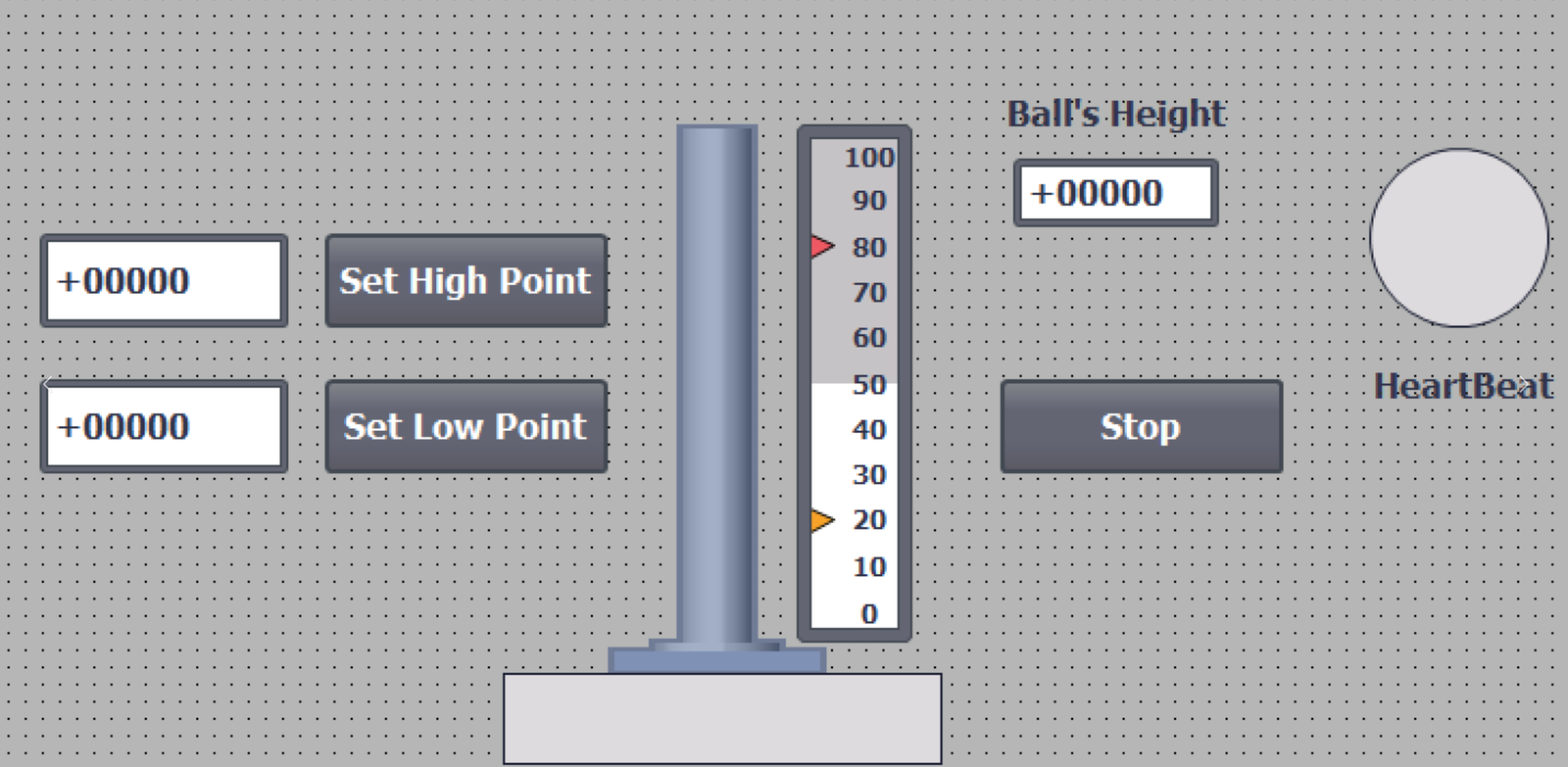
As part of the team, I integrated Arduino proximity sensing with a Siemens PLC, tuned PID control and filtered measurements. The system maintained ball height within ±3 mm of the target with a settling time of 10 seconds.
Objective: Maintain the height of a levitated ball using feedback control of a fan-driven airflow system, bringing sensing, industrial control and mechanical components together.
My role: Sensor integration, PID tuning and mechanical parts. SETU · University group project.
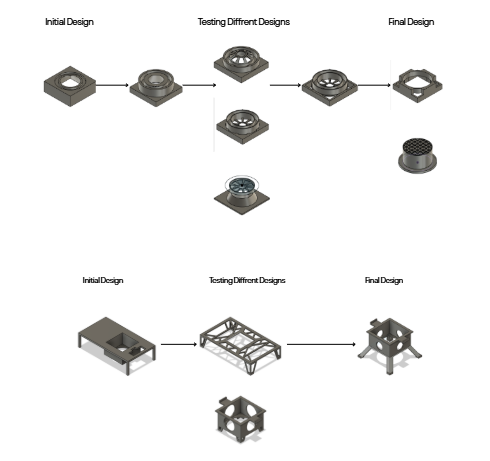
My contribution: Integrated Arduino proximity sensing with a Siemens PLC over Modbus TCP. Tuned PID control and filtered sensor measurements. Designed and 3D-printed airflow components and sensor mounts. Supported team assembly and testing.
Sensing and communication: Arduino proximity sensing was integrated with a Siemens PLC through Modbus TCP, linking the measurement system to industrial control hardware.
Feedback control: PID tuning and measurement filtering supported closed-loop height control. The reported performance was ±3 mm around the target and a settling time of 10 seconds.
Mechanical integration: I designed and 3D-printed airflow components and sensor mounts to support the team’s assembly and testing of the levitation system.
Scope: These values describe the reported team test. Setpoint, disturbance conditions, sampling rate and the settling-time criterion should accompany any future response plot. Performance outside those test conditions is not established here.
Technologies
- Arduino
- Siemens PLC
- PID
- Modbus TCP
- 3D printing